
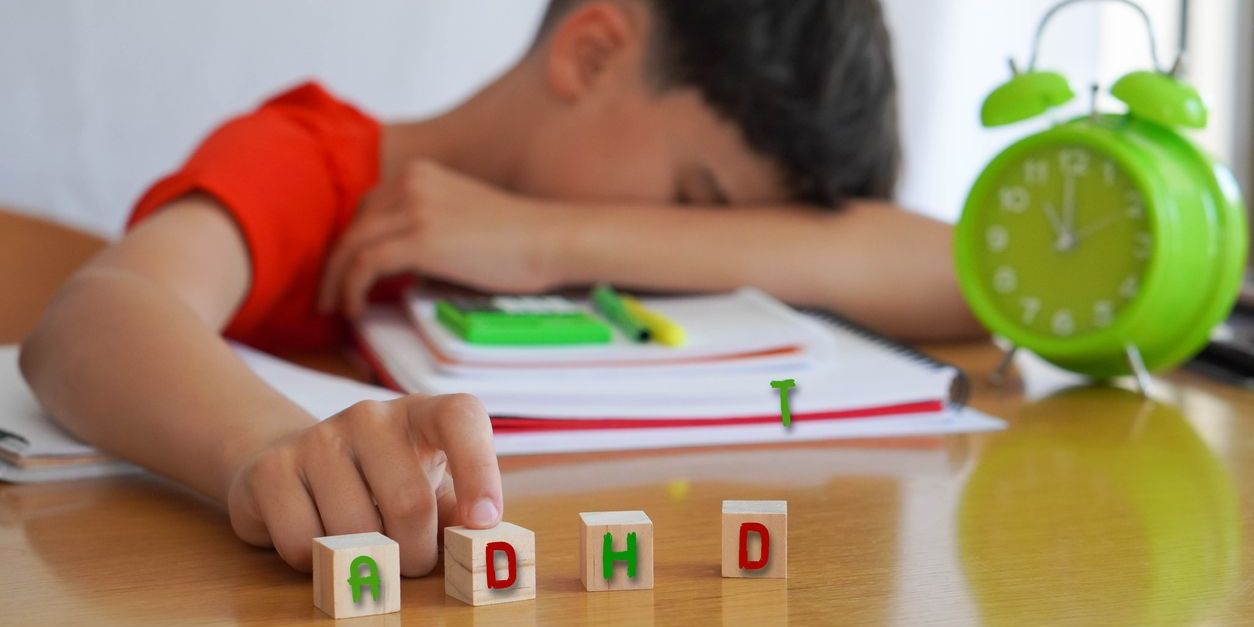
Summary: No, kids with ADHD do not have to take medication. Neither do teenagers or adults. In fact, for kids – especially younger kids – medication is not considered a first-line treatment for ADHD. However, for some kids, teens, and adults, including medication in a treatment plan for ADHD can lead to the best outcomes.
Key Points:
- For people with ADHD who’ve tried every treatment but medication, without success, medication may be the best choice.
- For people with extremely disruptive ADHD symptoms, medication may be necessary.
- The younger the patient, the less likely providers are to recommend medication as a first-line treatment.
- Psychosocial treatments, parent skills training, education, interventions at school, and complementary supports are viable, evidence-based options for treating ADHD that don’t involve medication
Attention-Deficit Hyperactivity Disorder: To Medicate or Not Medicate?
If your child receives a diagnosis for attention-deficit hyperactivity disorder (ADHD), the first thing you probably ask yourself is whether they need to take medication. It’s a common misconception that kids with ADHD have to take medication.
The fact is they don’t.
In some cases, a combination of psychosocial support and medication is the most effective approach to treatment, but that’s not true for everyone. While both stimulant and non-stimulant medication can be a core component of a treatment plan for ADHD for children, teens, and adults, there’s near-universal agreement that for children and teens, meaning people between the ages of 5 and 17, starting treatment with everything but medication is the best approach.
Throughout the rest of this article, we’ll review the most effective, evidence-based, non-medication treatment options for children, teens, and adults with ADHD. Note: parent training and school-based interventions are primarily for children and teens in treatment for ADHD, rather than adults.
Treatment for ADHD That Isn’t Medication: Effective, Evidence-Based Support
We’ll start with what we call psychosocial support, which refers to behavioral therapy, psychotherapy, and behavior modification for people with ADHD and their families. Here’s how the ADHD and child development experts at Florida International University, working at the Center for Children and Families view psychosocial/behavioral treatment for ADHD:
“Behavioral treatments for ADHD should be started when the child is as young as possible. There are behavioral interventions that work well for preschoolers, elementary-students, and adolescents with ADHD, but there is consensus that starting early is better than starting later. Parents, schools, and practitioners should not put off beginning effective behavioral treatments for children with ADHD.”
Psychosocial/Behavioral Treatment Approaches
For children and teens, these behavioral treatment modalities include:
- Cognitive behavioral therapy (CBT)
- Mindfulness-based cognitive behavioral therapy (MBCBT)
- Dialectical behavior therapy (DBT)
Psychosocial support for children and teens may also include age-appropriate education about:
- Symptoms/causes of ADHD
- How treatment works
- How treatment helps
For parents, the behavioral approach includes:
- Training in behavior management, sometimes called behavioral parent training (BPT).
- BPT includes, but is not limited to:
- How to create effective rules at home
- How to create a helpful home routine
- The most effective ways to praise good behavior
- The most effective ways to ignore minor, unwanted behavior
- Learning how to manage children and teens in public places
- Parent training may also include education about:
- Symptoms/causes of ADHD
- Treatment options for ADHD
- How to help kids with ADHD at home and at school
Next, we’ll review the most common – and effective – school-based interventions for ADHD.
ADHD Support at School
Interventions that occur at school, administered by teachers and learning specialists may include, but are not limited to:
- Individual Educational Plans (IEPs) and/or 504 Plans:
- An IEP is required for children who receive special education support in schools
- IEPs list unique educational needs and strategies to address and support them
- 504 plans detail the various accommodations that help kids with ADHD succeed at school.
- 504 plans include provisions like allowing a child with ADHD more time on tests, the opportunity to move around if necessary, the opportunity to complete assignments or take tests in environments with fewer distractions than a typical classroom, and others.
- Targeted tutoring and academic support tailored to individual needs, delivered by educators with specific training
Functional/Complementary Support: Organizational Skills, Wellness Skills, Health and Diet
Organizational skills and/or tools for kids with ADHD may include:
- How to make/stick to a schedule using:
- Day planners
- Digital calendars on computers, tablets, and smartphones
- Sticky notes
- Student-generated ideas/plans
Wellness skills that help kids and teens with ADHD may include:
- Mindfulness exercises
- Meditation
- Yoga
Health/Diet modifications that help kids with ADHD include:
- Consistent exercise and activity
- Finding activities, sports, or other active pursuits that kids enjoy doing are the most effective way to get them active, if they’re not
- Daily activity is best
- Anything is better than nothing
- Sleep hygiene:
- Kids (6-12) need 10-12 hours of sleep per night
- Teens (13-17) need 8-10 hours of sleep per night
- Diet/Eating habits:
- Healthy eating is the foundation of good physical and mental health
- A good diet for people with ADHD includes:
- Plenty of fresh fruits and vegetables
- Plenty of whole grains
- Lean protein, such as fish and chicken
- Plenty of nuts, beans, and legumes
- People with ADHD should avoid:
- Excess sugar, i.e. sodas and sugary snacks
- Processed foods
- Caffeine
- Adults should reduce or avoid alcohol
For many children, teens, and adults with ADHD, a combination of the treatment modalities above can effectively reduce and manage the symptoms of ADHD and reduce the negative impact and disruption they cause in daily life.
Effective Treatment for ADHD: Tailored to Family Values and Individual Needs
It’s possible to manage ADHD without medication: we see it in action every day of the week. The decision to medicate or not medicate is an important decision every family with a child or teen diagnosed with ADHD needs to make. Adults diagnosed with ADHD need to make that decision, too.
In order to decide what’s best for you and/or your child and family:
- Decide where you stand on the idea of medication for ADHD
- To make that decision, read articles like this one, talk to your child/teen’s treatment team, talk to friends with kids with ADHD, and talk to people you know with ADHD: in short, get all the information you can.
- Talk to your child or teen about what they want: their individual, short-term needs and personal, long-term goals should be important drivers of the decision to medicate or not medicate. The older the child, the more important their agency, voice, and choice.
We’ll close by saying that for some patients, medication is necessary for effective treatment and symptom management. For those patients, we support and recommend medication. For others, however, parents should know that it’s entirely possible to manage ADHD without medication. The sooner a child with ADHD starts building effective ADHD management skills, the better.